
15 million of world's babies are born prematurely
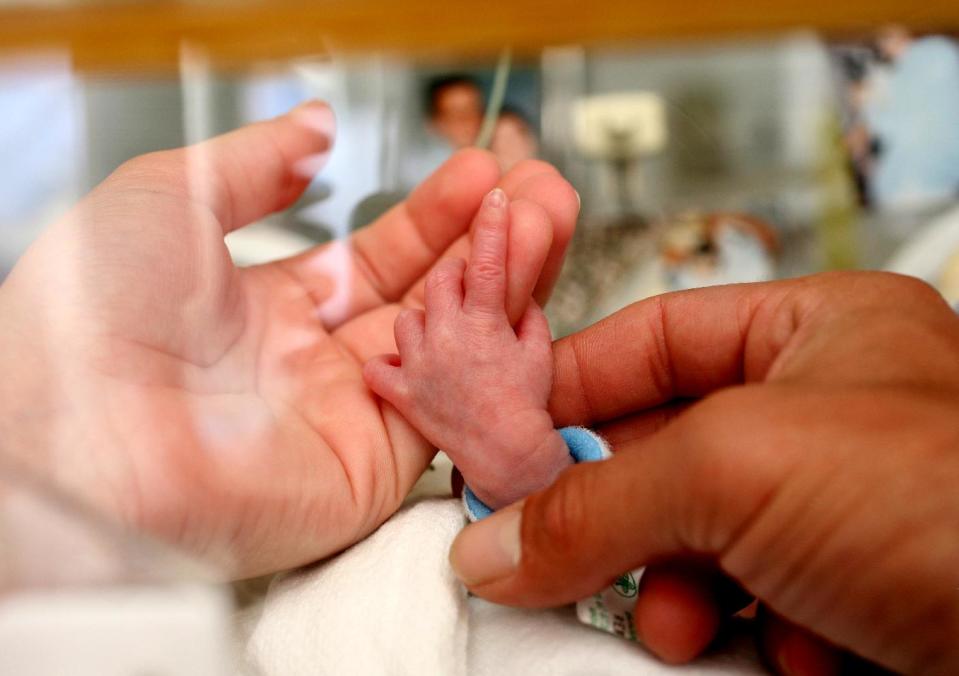
WASHINGTON (AP) — About 15 million premature babies are born every year — more than 1 in 10 of the world's births and a bigger problem than previously believed, according to the first country-by-country estimates of this obstetric epidemic.
The startling toll: 1.1 million of these fragile newborns die as a result, and even those who survive can suffer lifelong disabilities.
Most of the world's preemies are born in Africa and Asia, says the report released Wednesday.
It's a problem for the U.S., too, where half a million babies are born too soon. That's about 1 in 8 U.S. births, a higher rate than in Europe, Canada, Australia or Japan — and even worse than rates in a number of less developed countries, too, the report found.
But the starkest difference between rich and poorer countries: Survival.
"Being born too soon is an unrecognized killer," said Dr. Joy Lawn of Save the Children, who co-authored the report with the March of Dimes, World Health Organization and a coalition of international health experts. "And it's unrecognized in the countries where you could have a massive effect in reducing these deaths."
Sophisticated and expensive intensive care saves the majority of preterm babies in the U.S. and other developed nations, even the tiniest, most premature ones. The risk of death from prematurity is at least 12 times higher for an African newborn than for a European baby, the report found.
Globally, prematurity is not only the leading killer of newborns but the second-leading cause of death in children under 5.
"These facts should be a call to action," United Nations Secretary-General Ban Ki-moon wrote in an introduction to the report.
Three-quarters of the deaths could be prevented by spreading some simple, inexpensive treatments to the neediest countries, the report concludes. For example, providing $1 steroid shots during preterm labor hastens development of immature fetal lungs. They're standard in developed countries; wider use in low-income countries could save nearly 400,000 babies a year.
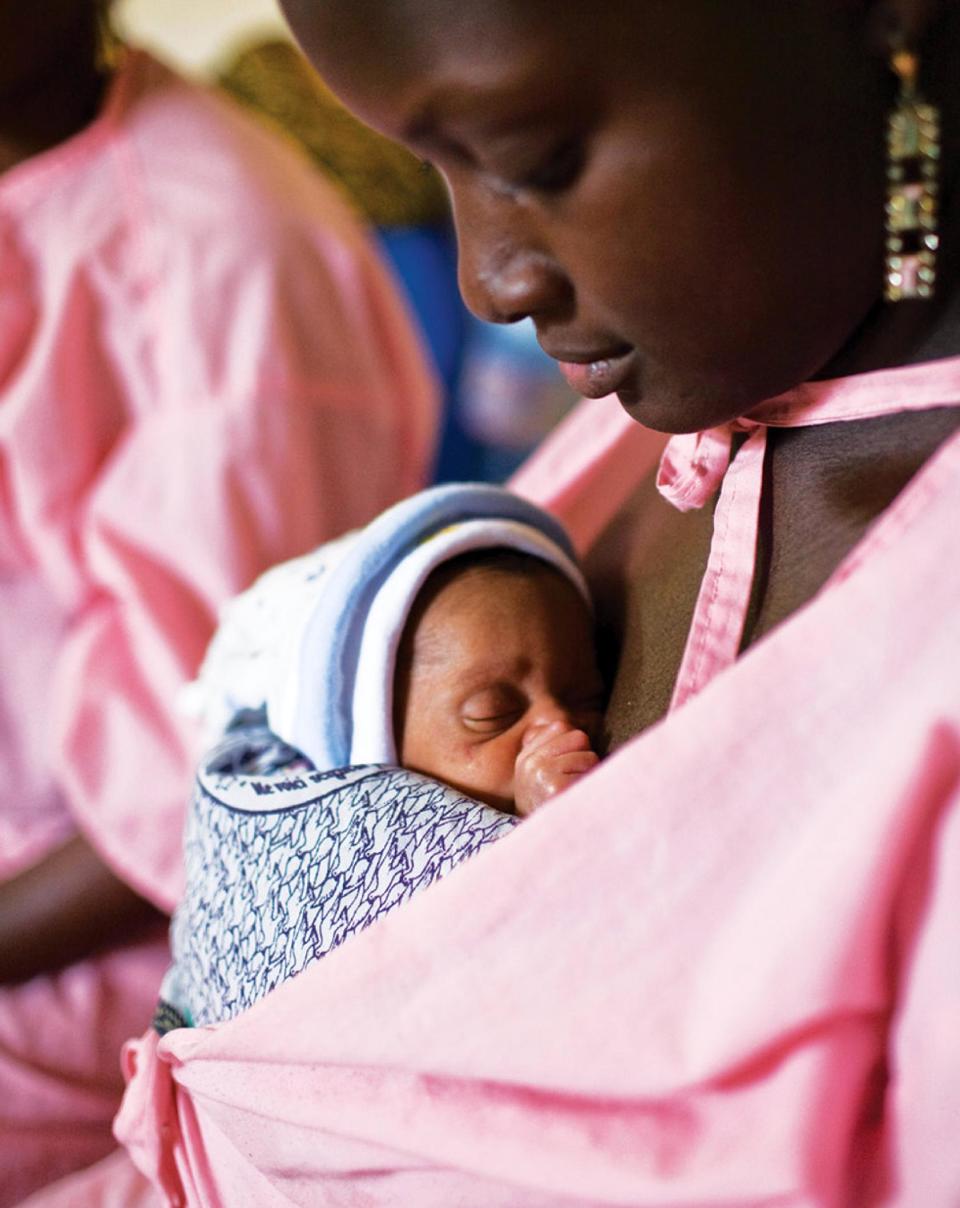
Even more lives could be saved by teaching "kangaroo care," in which moms carry their tiny babies nestled skin-to-skin on their bare chests for warmth when there are no incubators.
"To see babies who are 900 grams (about 2 pounds) survive without any technology, it's fantastic," says Lawn, who has watched kangaroo care save lives in countries like Malawi, with the highest preterm birth rate — 18.1 percent.
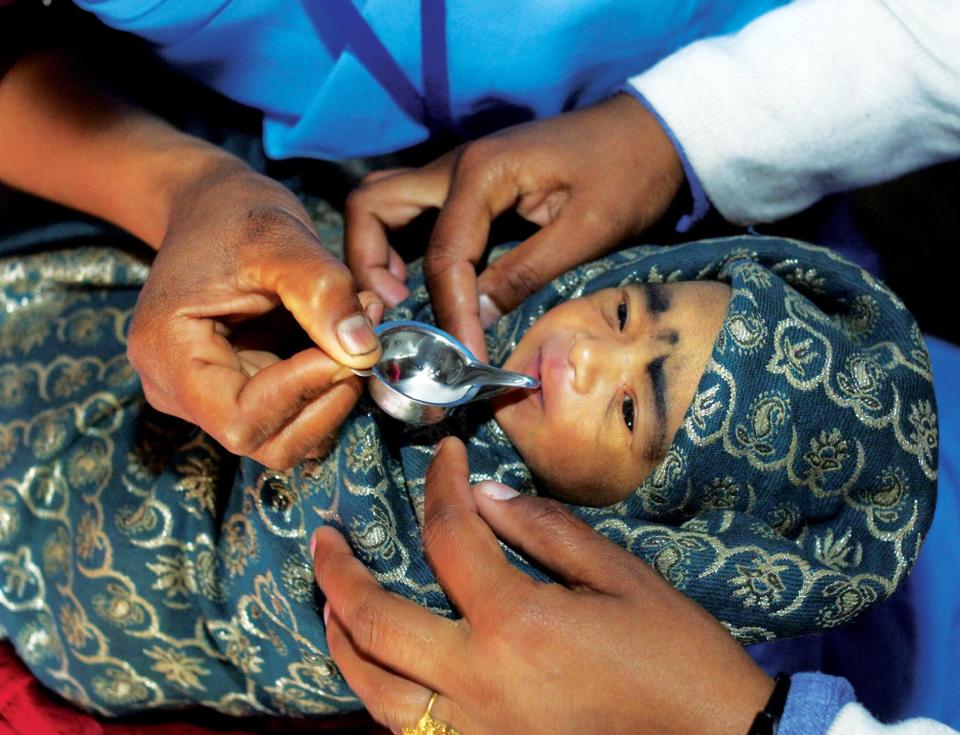
Also needed: Antibiotics to fight the infections that often kill newborns, and antiseptic cream to prevent umbilical cord infection.
Survival isn't the only hurdle. No one knows how many preemies suffer disabilities including cerebral palsy, blindness or learning disorders.
That's why preventing preterm births in the first place is the ultimate goal, one reason for comparing countries — to learn why some do better and some worse. Previously, the groups had estimated that 13 million babies were born prematurely each year, based on regional data.
About 12 percent of U.S. births are preterm, about the same as Wednesday's report estimates in Thailand, Turkey and Somalia. In contrast, just 5.9 percent of births in Japan and Sweden are premature.
Experts can't fully explain why the U.S. preemie rate is so much worse than similar high-income countries. But part of the reason must be poorer access to prenatal care for uninsured U.S. women, especially minority mothers-to-be, said March of Dimes epidemiologist Christopher Howson. African-American women are nearly twice as likely as white women to receive late or no prenatal care, and they have higher rates of preterm birth as well, he said.
More disturbing, the report ranks the U.S. with a worse preterm birth rate than 58 of the 65 countries that best track the problem, including much of Latin America. Add dozens of poor countries where the counts are less certain, and the report estimates that 127 other nations may have lower rates.
Whatever the precise numbers, "we have a shared problem among all countries and we need a shared solution," Howson said.
One key: Not just early prenatal care but more preconception care, he said. Given that in the U.S. alone, nearly half of pregnancies are unplanned, health providers should use any encounter with a woman of childbearing age to check for factors that could imperil a pregnancy.
"Ensure that mom goes into her pregnancy as healthy as possible," Howson said.
Scientists don't know what causes all preterm birth, and having one preemie greatly increases the risk for another. But among the risk factors:
—Diabetes, high blood pressure, infections and smoking.
—Being underweight or overweight, and spacing pregnancies less than two years apart.
—Pregnancy before age 17 or over 40.
—Carrying twins or more.
—In wealthier countries, early elective inductions and C-sections.
"A healthy baby is worth the wait," Howson said, noting that being even a few weeks early can increase the risk of respiratory problems, jaundice, even death.
The WHO defines a preterm birth as before completion of the 37th week of pregnancy. Most preemies fall in the "late preterm" category, born between 32 and 37 weeks. Extreme preemies are born before 28 weeks. So-called "very preterm" babies fall in between.
Lawn's biggest frustration is how often later preemies die in low-income countries because even the health providers may not know simple steps that might save them — and the fatalism around those deaths.
"If you're in the States and have a preterm baby now, even at 25 weeks you've got a 50 percent chance of survival and people expect that. Whereas in Ghana, if a baby's born 2 months early, people kind of expect the baby to die," she said.
