Import tax deadline has Cuba entrepreneurs on edge
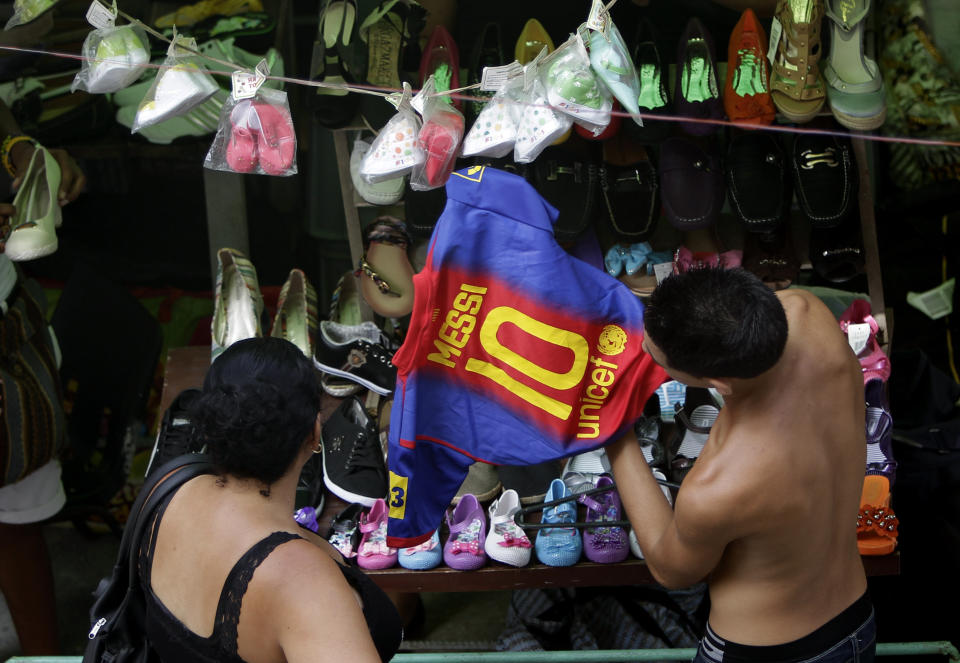
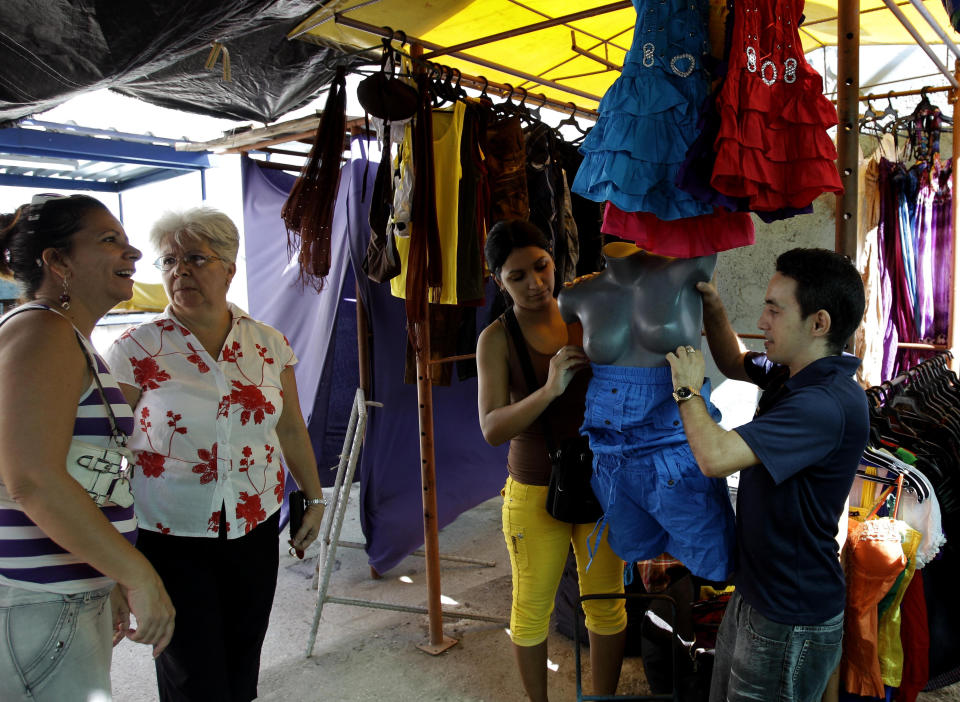
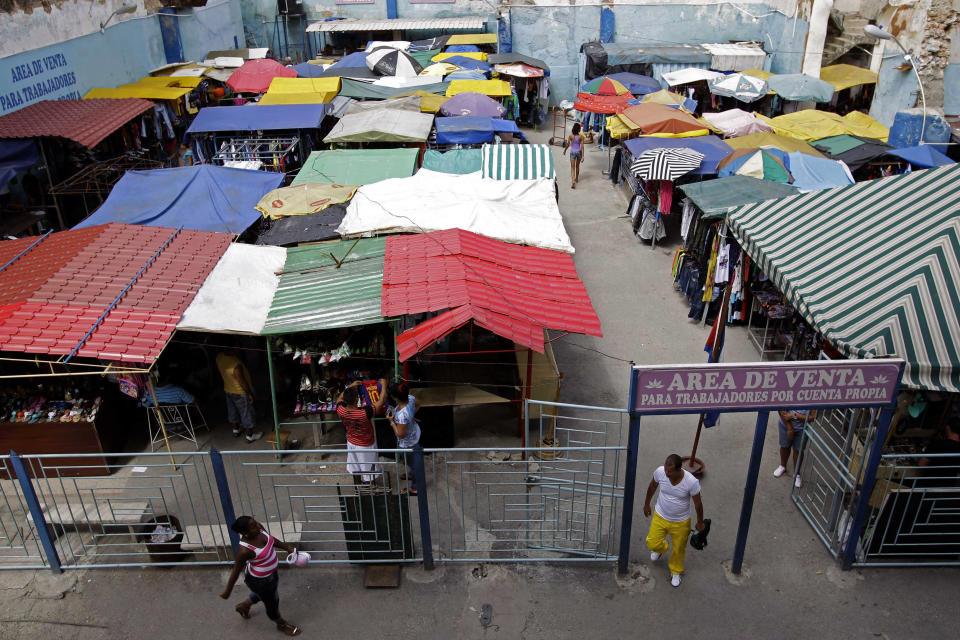
HAVANA (AP) — A sudden jump in import taxes on Monday threatens to make life tougher for some of Cuba's new entrepreneurs and will mean higher prices for many of their customers by raising the cost of goods ranging from jungle-print blouses to jewelry.
The new measures steeply hike duties on cargo shipments, as well as on many bulk goods brought in by airline passengers, a crucial supply line for many of the small businesses the government has been trying to encourage as it cuts a bloated workforce in the socialist economy.
Officials insist the taxes are similar to those in other countries, but many small-business owners view the change as an ominous sign.
While the published official description seems aimed at items such as clothing, soap, food and other personal-use goods, it is so complex it leaves importers of other products unsure if they will be affected, now or in the future.
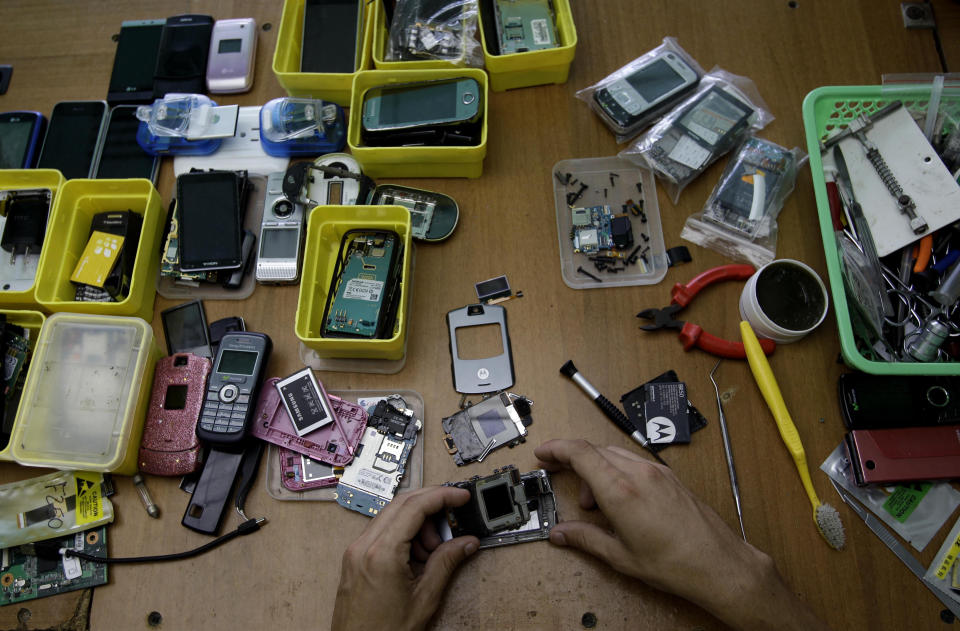
Some of the entrepreneurs, such as Javier Ernesto Matos, say they have prepared for the blow by stocking up on parts before the tax takes effect.
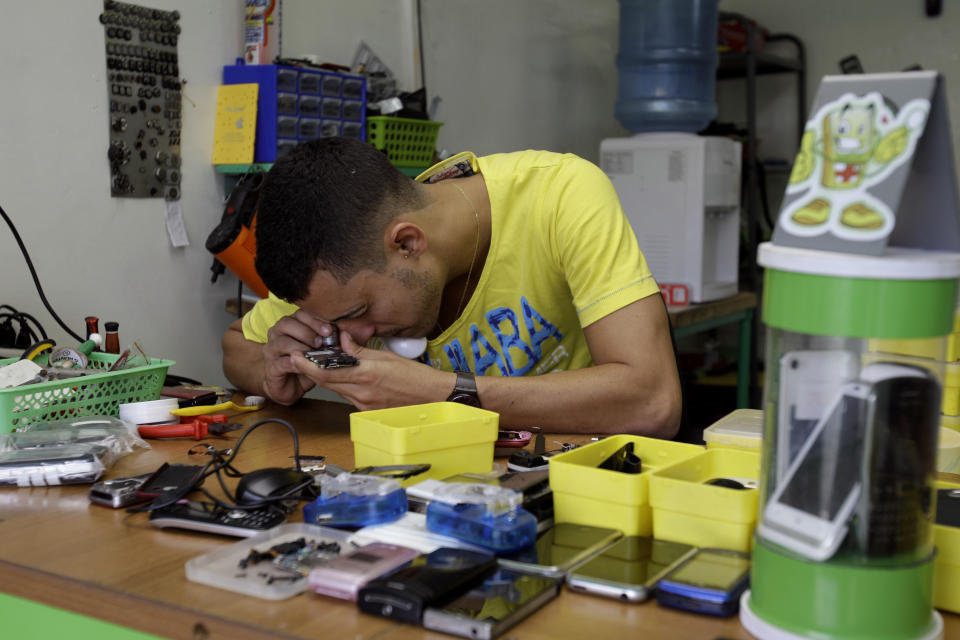
He also has prepared for a worst-case scenario if supply dries up entirely: "It's pretty shocking, but the strategy we have in mind is to consolidate in a single shop and leave prices the same to recoup what we can from our investment," said Matos, who together with two business partners operates three mobile phone repair shops called the Cellphone Clinic.
Others say they'll have no choice but to raise prices. That, along with the higher taxes on goods brought in by friends, has worried consumers in a country where the average monthly wage is about $20.
"For our family these are important items, from a little soap to a backpack for school," a woman identified as Loraine wrote on the state-run Cubadebate website. "We all make sacrifices to help them. Nothing falls from the sky. Why are they turning their backs on reality? Knowing how many shortages there are in the country, why be so strict?"
While President Raul Castro has tried to expand the private sector, the government has done little to provide wholesale outlets where businesses can buy parts and materials for the goods they sell, so many supplies are either unavailable or prohibitively expensive due to high government retail markups.
Arturo Lopez-Levy, a Cuban-born economist at the University of Denver, said it's not unusual for countries to levy high customs duties, but Cuba has exceptional circumstances that make it inadvisable right now.
"The right timing was to create the wholesale market first and then try to crack down on this type of activity," Lopez-Levy said. "If you don't have a wholesale market, then you are implementing the measures without the proper sequence, especially if you really want to promote the small- and medium-size nonstate sector."
"In the long term, this resolution was necessary," he said. "Right now, it's a mistake."
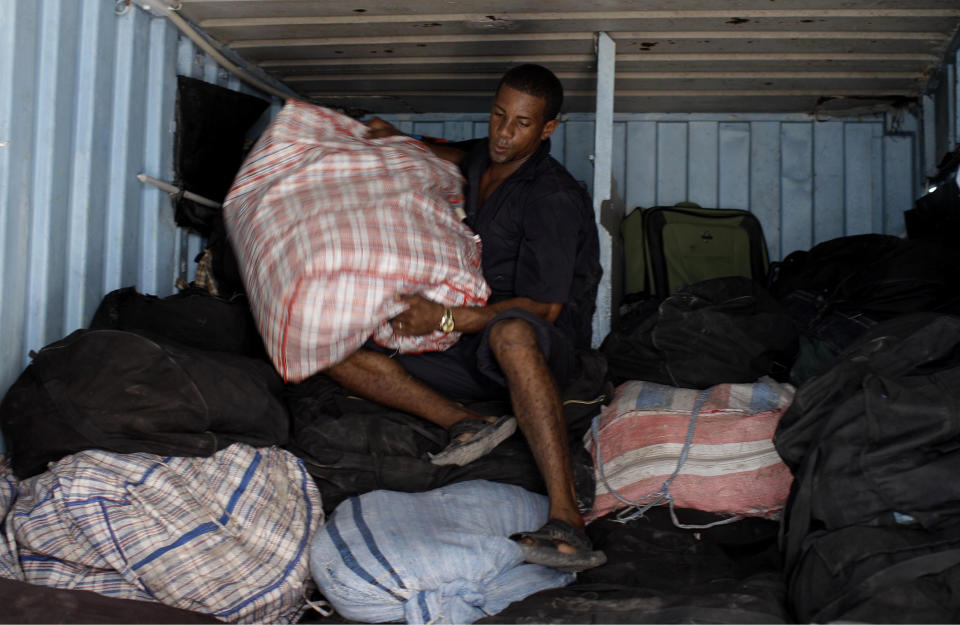
The new duties seem primarily targeted at so-called "mules," who make frequent shopping trips to places such as Ecuador, Panama and Miami and bring back duffel bags bulging with food, underwear, shoes and electronics.
Starting Monday, Cubans who travel abroad more than once a year not only will pay higher tariffs, they'll pay in hard currency rather than the more-easily obtainable national peso, which trades at 24 to the U.S. dollar and is used for most salaries.
Cubans will also begin paying dollar-based sums of $4.55 a pound ($10 per kilogram) above a certain weight to receive packages shipped by air and sea. That rate doubles if they bring in large shipments.
The impact is already being felt by people like Rafael, a 50-something who imports clothes to Havana. Before, he paid the equivalent of $65 in the local currency to import 550 pounds (120 kilograms) of clothing. Under the new, progressive duty schedule, that would apparently cost between $1,300 and $1,800.
"This idea of raising taxes is crazy. ... I don't know where this decision came from, because it hurts everyone," Rafael said. "But it hurts the people the most, because we have to raise our prices."
Already costly for Cubans — a pair of jeans costs an average month's wage — Rafael's prices stand to rise an initial $2-3 per garment and could go up even more, he said.
He declined to be identified by his full name because his business license only authorizes him to make clothing, but he essentially resells imported garments.
The new rules will mostly affect clothing stands and boutiques, but could also hurt the supply of things such as artificial nails to beauty salons, or fabric, buttons and zippers to dressmakers.
It could also make it harder for some Cubans to visit family abroad. Trips are often funded by agreeing to bring back large bags on behalf of someone who pays the airfare.
The Cellphone Clinic's Matos said he began doubling his normal purchases this summer and has stockpiled enough parts like fragile electronic ribbons to stay in business for two more years, no matter what.
"If buying pieces becomes more expensive, if people are bringing in less, you have to reevaluate and prices will have to rise," he said. "It's a bad thing, because if you raise the price not everyone will come like before. It's not worth it, you know?"
It's not clear that any state-run operation would offer some of the Clinic's services, such as unblocking an iPhone 4.
Separate tax rates cover food and electronics, including 400 pesos (or $17) for a Cuban to import a 32-inch or larger flat-screen TV on a first trip, and $400 on subsequent travels.
Authorities insist they're just trying to improve service at Cuban airports, where excess baggage clogs conveyor belts in passenger terminals. In mid-August, state-run website Cubadebate published Customs officials' explanation of the tariffs along with several examples.
But it did little to ease concerns, judging by the dozens of exasperated reader complaints posted in the comments section.
"Why should a Cuban citizen have to pay the taxes in a currency in which they themselves are not paid?" said a poster identified as Roberto Suarez. "That's not fair. I don't travel, but I don't see the logic in that."
Some said the regulations could force entrepreneurs to turn to black-market goods pilfered from state-run concerns.
Others, however, predicted that Cubans, famous for their knack for finding a make-do solution to any problem, will figure a way to sidestep the duties.
"Something will be found to get around this," said Maria, another clothing vendor who also would not give her last name because her business activities exceed the scope of her license. "It always happens in this country. It's like they say: 'He who creates the law, also creates the cheat.'"
___
Associated Press writer Anne-Marie Garcia in Havana contributed to this report.
___
Follow Peter Orsi on Twitter at www.twitter.com/Peter_Orsi
