Newest Michigan museum showcases racist artifacts
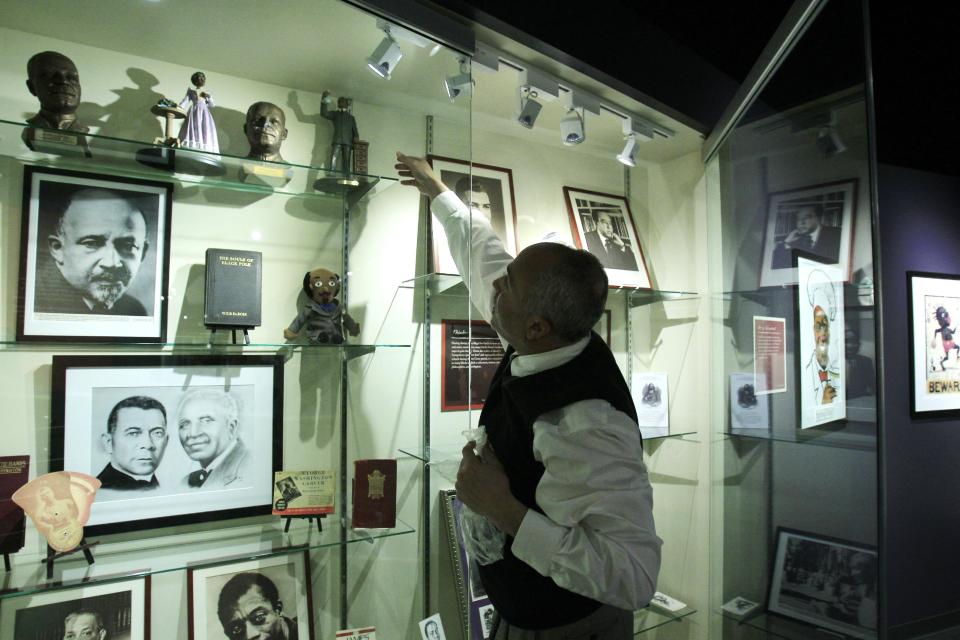
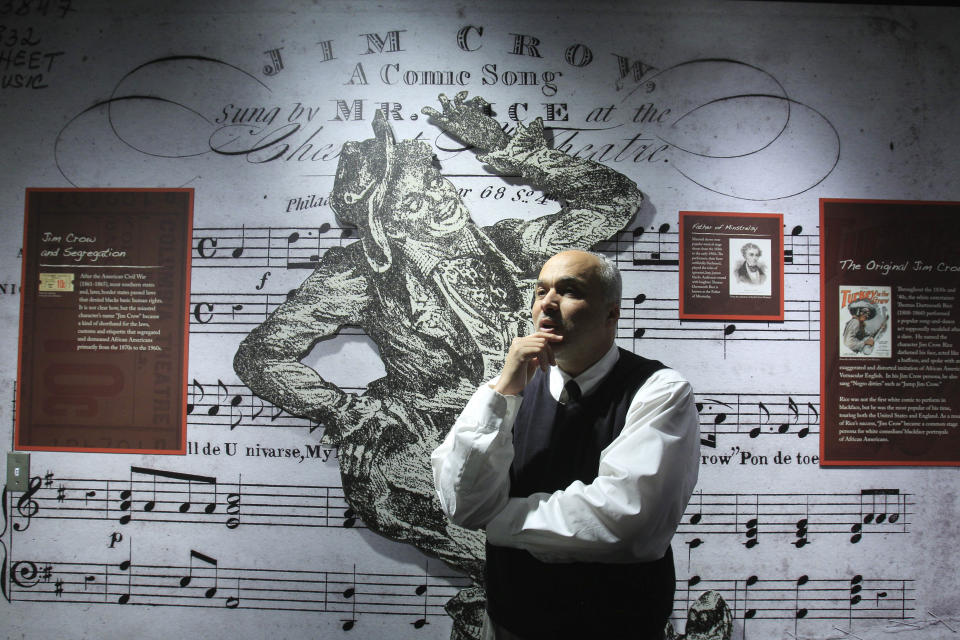
BIG RAPIDS, Mich. (AP) — The objects displayed in Michigan's newest museum range from the ordinary, such as simple ashtrays and fishing lures, to the grotesque — a full-size replica of a lynching tree. But all are united by a common theme: They are steeped in racism so intense that it makes visitors cringe.
That's the idea behind the Jim Crow Museum of Racist Memorabilia, which says it has amassed the nation's largest public collection of artifacts spanning the segregation era, from Reconstruction until the civil rights movement, and beyond.
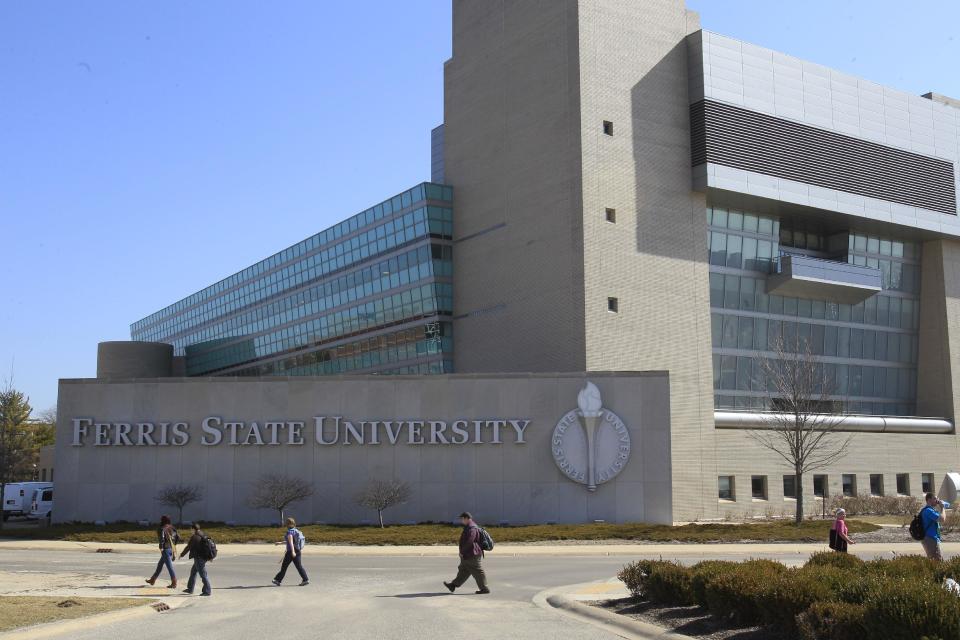
The museum in a gleaming new exhibit hall at Ferris State University "is all about teaching, not a shrine to racism," said David Pilgrim, the founder and curator who started building the collection as a teenager.
Pilgrim, who is black, makes no apologies for the provocative exhibits. The goal of the $1.3 million gallery, he explained, is "to get people to think deeply."
The displays are startling. The n-word is prevalent throughout, and many items portray black men as lazy, violent or inarticulate. Black women are shown as kerchief-wearing mammies, sexually charged Jezebels or other stereotypes.
The shocking images exact an emotional cost.
"There's parts in that room — the main room — where it's quite gut-wrenching," said Nancy Mettlach, a student conduct specialist at Ferris. "And the thought that was going through my mind was: 'How can one human being do this to another human being?'"
Pilgrim, a former sociology professor at Ferris State, started the collection in the 1970s in Alabama. Along the way, he "spent more time in antique and flea markets than the people who work there." His quest for more examples was boundless.
"At some point, the collecting becomes the thing," he said. "It became the way I relaxed." He spent most of his free time and money on acquisitions.
In 1996, Pilgrim donated his 2,000-piece collection to the school after concluding that it "needed a real home."
The collection spent the next 15 years housed in a single room and could be seen only by appointment. Thanks to the financial support of the university and donors — notably from the charitable arm of Detroit utility DTE Energy — Pilgrim's collection now has a permanent home, which will have a grand opening ceremony April 26. Admission is free.
Today, the school has 9,000 pieces that depict African-Americans in stereotypical ways and, in some cases, glorify violence against them.
Not all of the museum's holdings are on display, but the 3,500-square-foot space in the lower level of the university library is packed with items that demonstrate how racist ideas and anti-black images dominated American culture for decades.
Visitors can forget about touring the exhibits and retiring untroubled to a cafe or gift shop. Some leave angry or offended. Most feel a kind of "reflective sadness," Pilgrim said.
But that's not enough. If the museum "stayed at that, then we failed," he said. "The only real value of the museum has ever been to really engage people in a dialogue."
So Pilgrim designed the tour to give visitors a last stop in a "room of dialogue," where they're encouraged to discuss what they've seen and how the objects might be used to promote tolerance and social justice.
Some of the objects in the museum are a century old. Others were made as recently as this year.
Ferris State sophomore Nehemiah Israel was particularly troubled by a series of items about President Barack Obama.
One T-shirt on display reads: "Any White Guy 2012." Another shirt that says "Obama '08" is accompanied by a cartoon monkey holding a banana. A mouse pad shows robe-wearing Ku Klux Klan members chasing an Obama caricature above the words, "Run Obama Run."
"I was like, 'Wow. People still think this. This is crazy,'" Israel said.
One of the first rooms in the museum features a full-size replica of a tree with a lynching noose hanging from it. Several feet away, a television screen shows a video of racist images through the years.
The location of the museum — in the shadow of university founder Woodbridge Ferris' statue — also catches some by surprise. The mostly white college town of Big Rapids is 150 miles from Detroit, the state's largest predominantly black city.
Ferris, who later served as Michigan governor and as a U.S. senator, founded the school more than a century ago. He once said Americans should work to provide an "education for all children, all men and all women."
Pilgrim, who is also Ferris State's vice president for diversity and inclusion, initially considered giving his collection to a historically black college, but he wanted to be "near it enough to make sure it was taken care of."
Most of the objects "are anti-black caricatures, everyday objects or they are segregationist memorabilia," he said. Because they represent a cruel, inflammatory past, they "should either be in a garbage can or a museum."
___
If You Go...
JIM CROW MUSEUM OF RACIST MEMORABILIA: Located in Ferris Library for Information, Technology and Education, 1010 Campus Drive, Big Rapids, Mich.; http://www.ferris.edu/jimcrow or 231-591-3500. Monday-Friday, noon-5 p.m. or by appointment. Free admission.
___
Follow Mike Householder on Twitter at http://www.twitter.com/mikehouseholder
