Niagara Falls takes broad approach to draw people
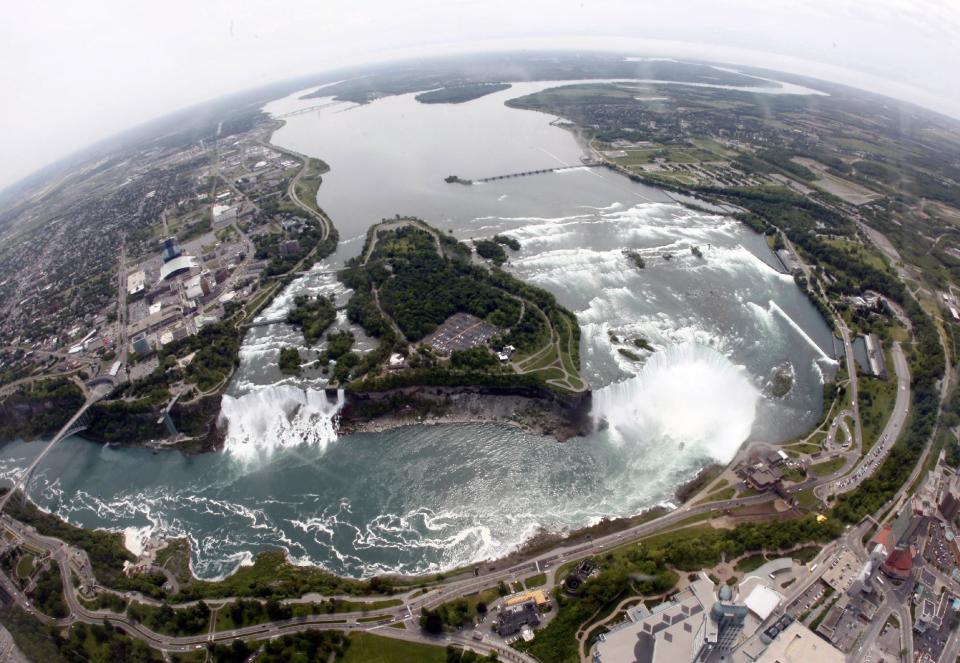
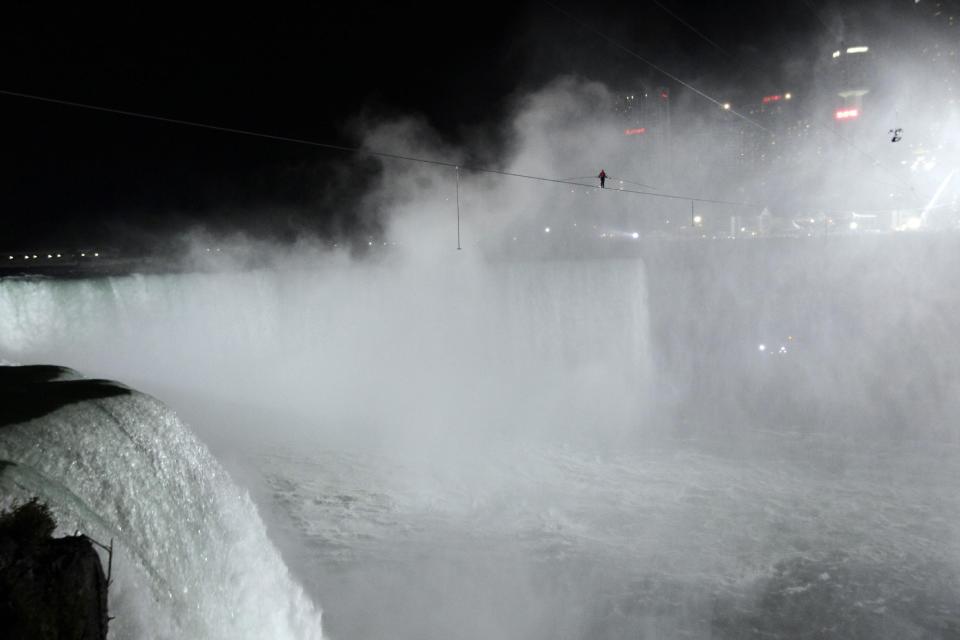
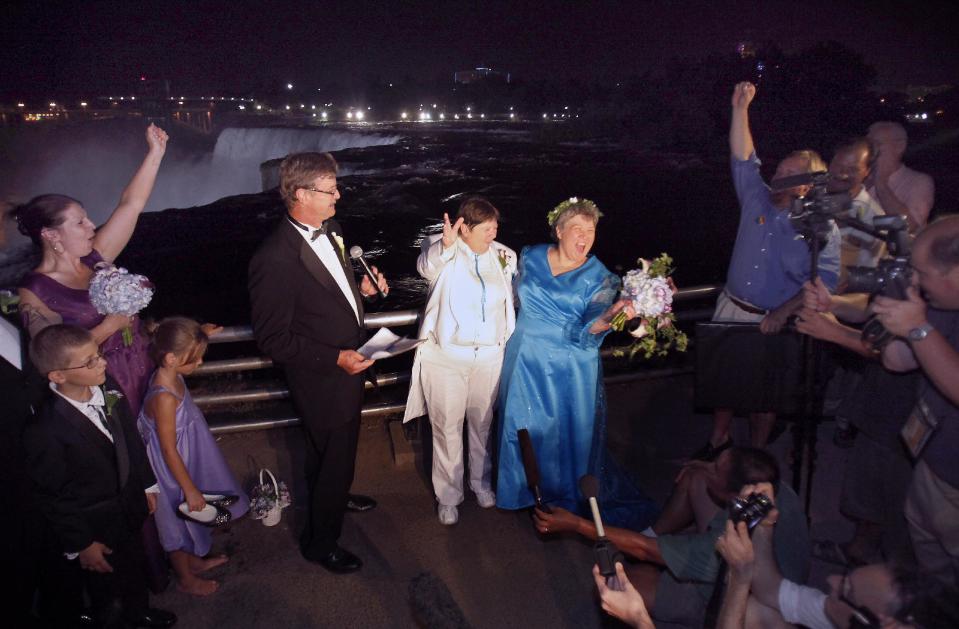
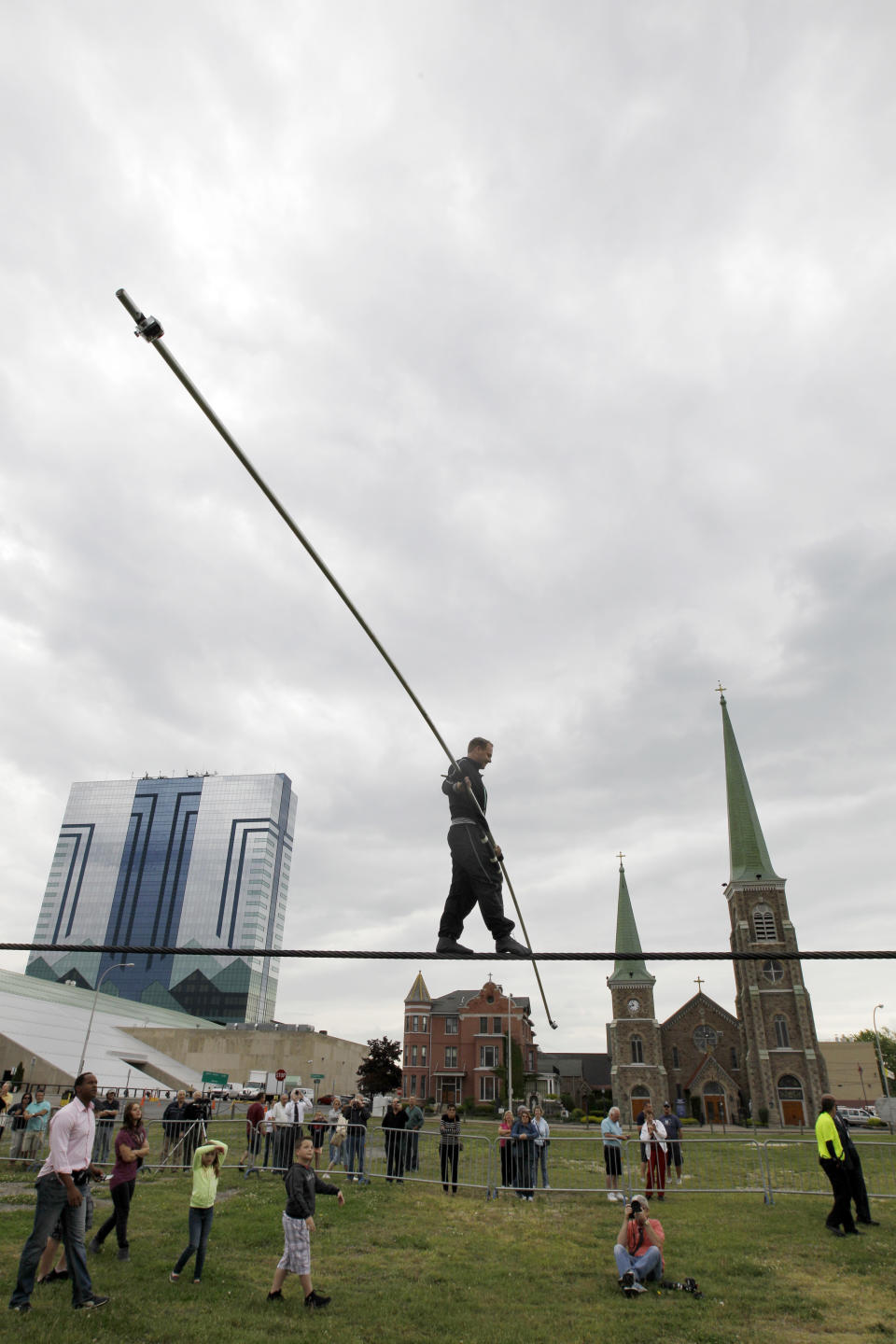
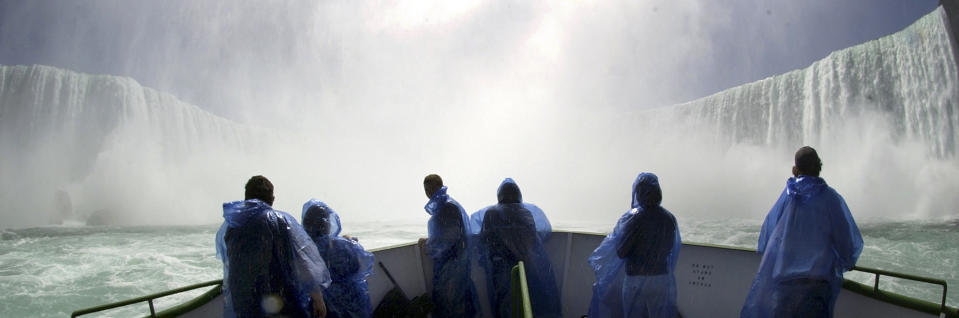
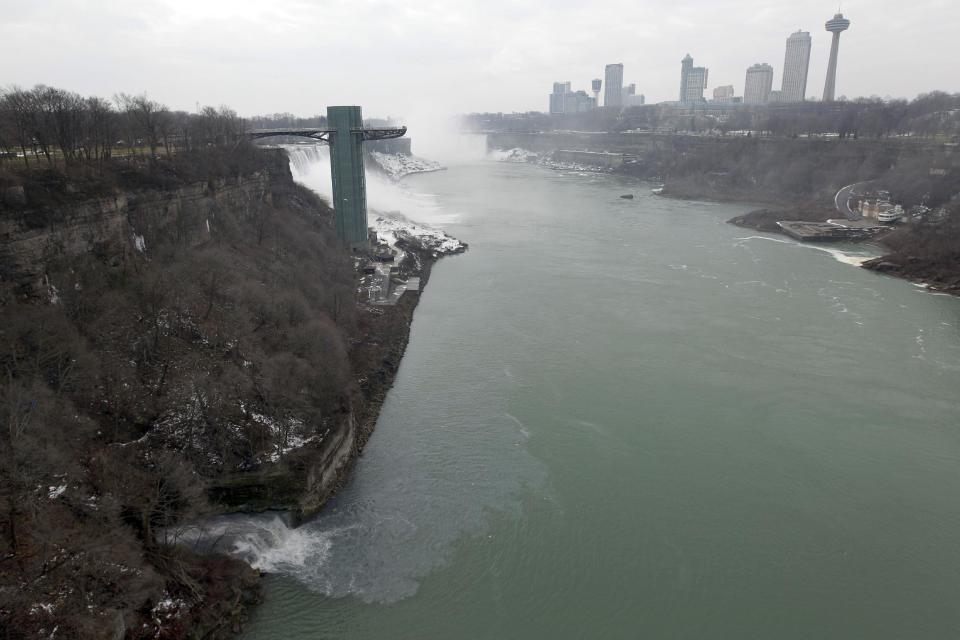
NIAGARA FALLS, N.Y. (AP) — In recent years, Niagara Falls has thrown open its doors to casino gambling, gay weddings and a tightrope walk that, until laws were relaxed, would have meant arrest.
It even briefly considered taking in toxic wastewater from hydraulic fracturing.
On the drawing board now is a plan to entice young people to move in by paying down their student loans.
After the city's old strategy of industry over tourism flopped amid the decline of Rust Belt manufacturing and the disastrous Love Canal, a new economic plan appears to have emerged: Try anything.
"If you piece together a series of wins, then I think it becomes transformative," Mayor Paul Dyster said, reflecting on efforts to reverse fortunes in a city where one in five people live in poverty and the population of 50,193 is less than half what it was in the 1960s.
More than $2 million in yearly block grants from the federal government could be in jeopardy if the number dips below 50,000.
"Less people means less attention in the government's eyes. ... You need people in your neighborhoods," said Community Development Director Seth Piccirillo.
The latest idea is to cover two years' worth of student loan payments for recent college graduates who agree to live in a targeted neighborhood. Piccirillo said the tuition program will start small, with about 20 people in the first round, but it has attracted interest from around the country.
And that's really the point, Dyster said, of using Niagara Falls as an incubator for new ideas.
"Anything you do at Niagara Falls, because it's a famous place, you get this exponential increase in the level of interest and the level of publicity that's generated," he said. "When you do it in Niagara Falls, it's the difference between speaking in a conversational voice and talking through a megaphone."
The overarching goal is to get people to set up shop here, or at least stick around long enough to spend money.
So, last July when it became legal for same-sex couples to wed in New York state, Niagara Falls organized an attention-grabbing group wedding with hopes of reviving its onetime reputation as "the honeymoon capital" for same-sex and opposite-sex couples alike.
A year later, wedding-related vendors say business is up 20 to 25 percent.
"The general mission is to obtain business. Whether it's new residents or new visitors, we're all on the same goal to better Niagara Falls in general," said John Percy, president of the Niagara Tourism & Convention Corp.
City officials say redevelopment of the Niagara Falls Airport, which was barely used until the late 2009 opening of a $31.5 million terminal, has improved accessibility. The airport went from handling 37,014 passengers in 2009 to 197,208 in 2011.
Other successes include the 2010 grand opening of a three-block cobblestone stretch, Old Falls Street, to connect the state park with a convention center and hotels and serve as a destination for festivals and shows. Niagara County Community College, meanwhile, plans to open a new culinary center in September after taking over part of a former mall near Niagara Falls State Park, and a $22 million upscale hotel is planned in the same area.
But there's no hiding the obvious financial hardship for the city whose gateway landmark is a mothballed Shredded Wheat factory: Dilapidated houses and boarded storefronts dot the city, this summer's Italian Festival was canceled for lack of sponsors and night games for varsity sports were scrapped for next season to save the school district the cost of lighting the field. About 22 percent of people live below the poverty level, compared with about 14 percent statewide.
And perhaps the most thriving business in Niagara Falls today, the Seneca Indian Nation's 10-year-old Seneca Niagara Casino, largely operates as an island with few surrounding businesses appearing to benefit from its estimated 7 million yearly patrons. For the past few years, the city hasn't even seen its promised share of slot machine profits — $58 million and counting — because the Senecas have withheld it as part of a feud with New York state.
Tourism was the city's main draw until the early 1900s, when the growth of numerous chemical plants fueled the rise of a hydropower-fueled industrial base. But industry started to lose steam in the late 1950s and '60s.
Meanwhile, the sister city of Niagara Falls, Ontario, made itself all about tourism, putting up hotels, restaurants, museums and other attractions, even as its New York counterpart was dealing with the 1970s toxic Love Canal contamination that caused the abandonment of an entire neighborhood.
Now the cash-strapped city finds itself in an awkward dispute as it tries to collect $25,000 from high-wire artist Nik Wallenda to cover public safety overtime expenses from his June 15 U.S.-to-Canada wire walk across Niagara Falls. Dyster says the state-approved legislation allowing the normally illegal walk entitles the city to reimbursement. Wallenda counters that he's already paid the state for security and that the city should take from there.
None is enough to discourage Nissa Morin, who hopes to get in on the tuition residency program to help erase roughly $7,000 of her tuition debt. She has a bachelor's degree in music and sound recording from the State University of New York at Fredonia and is working on her master's degree in business administration from D'Youville College in Buffalo. She envisions establishing her own business in Niagara Falls, perhaps a recording studio or housing cooperative out of one of several old bed and breakfasts in need of rehabilitation in the downtown neighborhood chosen for the program.
The flow of tourists ensures businesses a potential customer base, she said, but Morin sees the need for more residents to enliven the area and spruce it up.
"How many times do you get the opportunity to come into a city and build the ideal neighborhood for yourself?"
