Olympic VIP lanes baffle, anger London drivers
LONDON (AP) — London 2012: Traffic jams on the roads, train problems underground, and a fancy cable car frozen in the air.
Wednesday saw an uncertain test of the British capital's Olympic transport plan, as lanes reserved for Olympic VIPs came into force two days before the start of the games and the city's creaky subway system struggled with glitches.
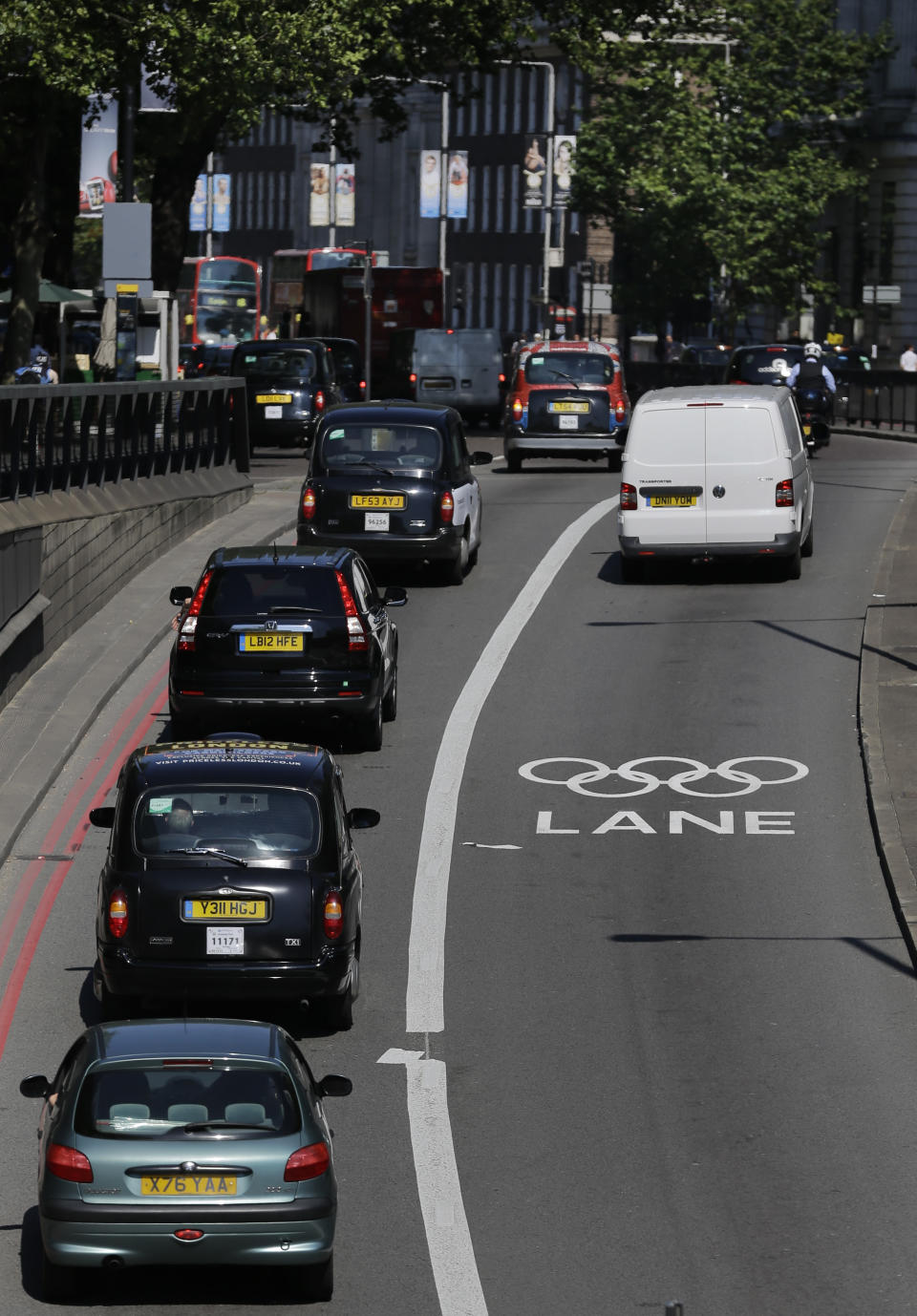
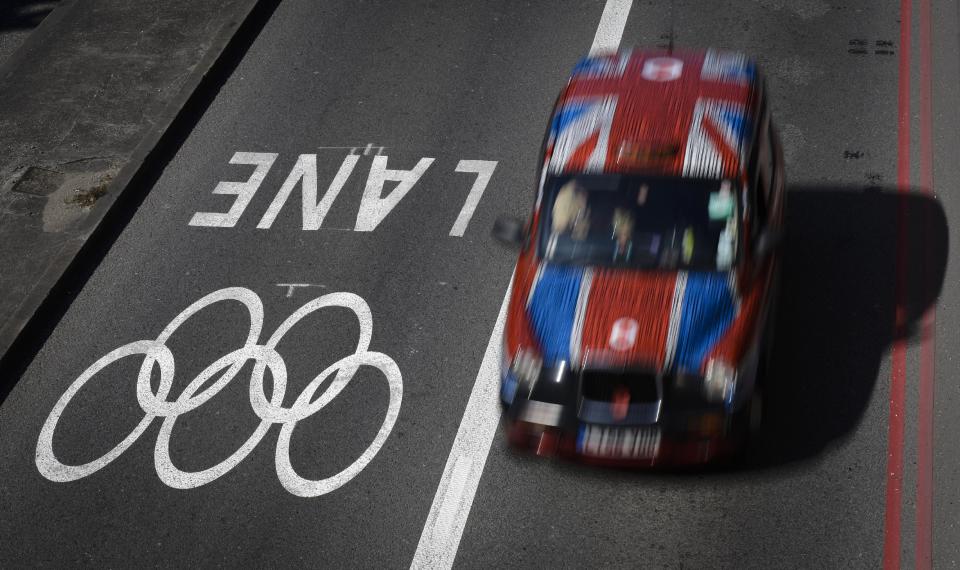
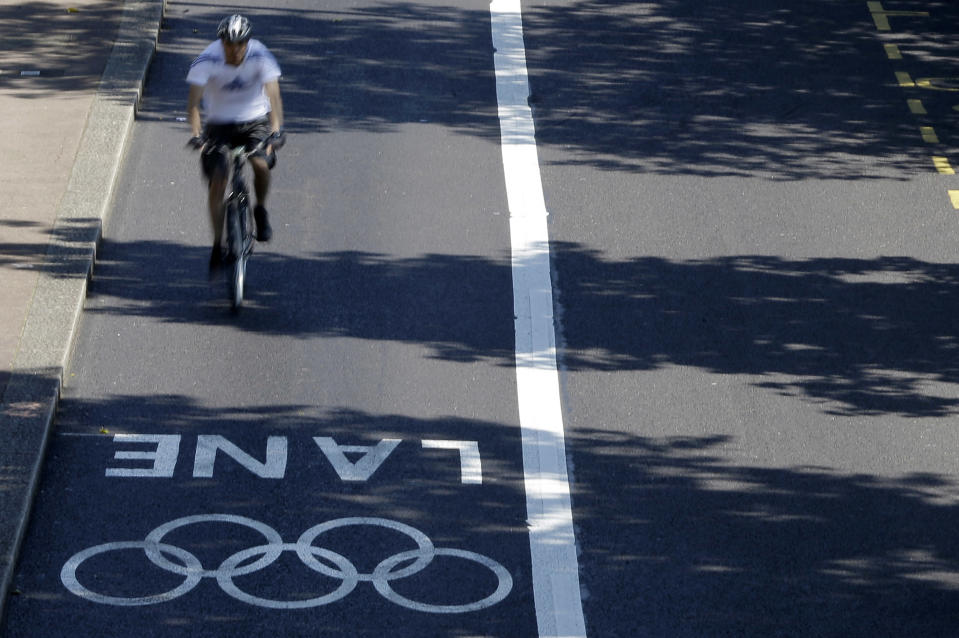
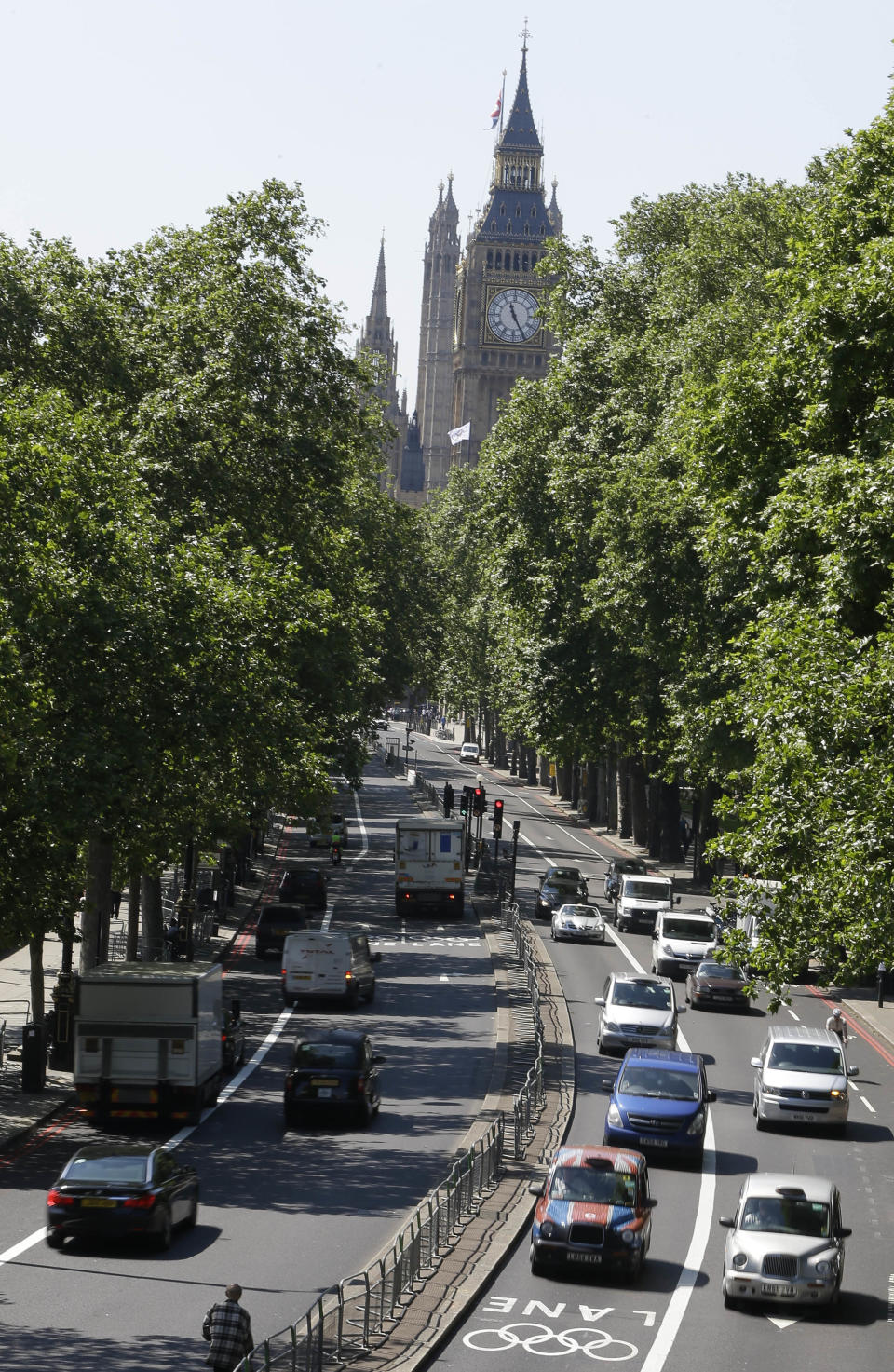
Traffic jams blocked some of the main routes into the city as the wildly unpopular "Games Lanes" took effect. The 30 miles (48 kilometers) of lanes are to operate from 6 a.m. to midnight throughout the games, and cars or taxi cabs that stray into them face a 130-pound ($200) fine.
Thousands of London drivers have switched to public transport, only to encounter severe delays on several underground subway lines caused by power supply problems and signal failures. Severe delays were reported Wednesday on the city's Central and Hammersmith subway lines with ripple delays affecting other lines.
Even London's new river-crossing cable car — opened last month — hit a problem, with a technical fault stranding passengers above the River Thames for roughly half an hour.
British officials — who have been advising Londoners for weeks to plan ahead, allow extra time for travel or just stay home — advised a stiff upper lip.
"There will be a lot of disruption and London is a congested city anyway," Transport Secretary Justine Greening told BBC television.
As a host city, London is as cosmopolitan as they come, but transport is its weak spot: Traffic often clogs up on its narrow, historic roads, bus schedules can change at a moment's notice, and the famous Underground suffers from daily delays and infrastructure that in parts is more than a century old.
For a city of its size, London has surprisingly few highways or wide thoroughfares, which means that most roads have multiple traffic lights and pedestrian crossings. Olympics organizers have repeatedly urged people to avoid driving their cars, to walk and bike ride around, and for spectators to go to events using public transport.
"Drivers do have somewhere to go, but it's been a bit confusing," said Paul Watters, head of road policy at the British Automobile Association. "We know it's going to be tricky and difficult, and it's bound to be full of teething problems. We're almost there now so hopefully it will be better."
Critics argue that the Olympic VIP road lanes — open only to athletes, officials, journalists, emergency services and games marketing partners — are elitist and make life difficult for everyone else. Britain relies on traffic cameras to spot infractions, so many people won't know they've been ticketed till the bad news arrives in the mail.
To make things even more confusing, the lanes will be open to regular drivers if Olympic traffic is light, with the information displayed on electronic signs.
The International Olympic Committee had specifically demanded the lanes be created after learning lessons from previous games — one of the worst being Atlanta in 1996, where bus drivers got lost and some athletes arrived moments before their events.
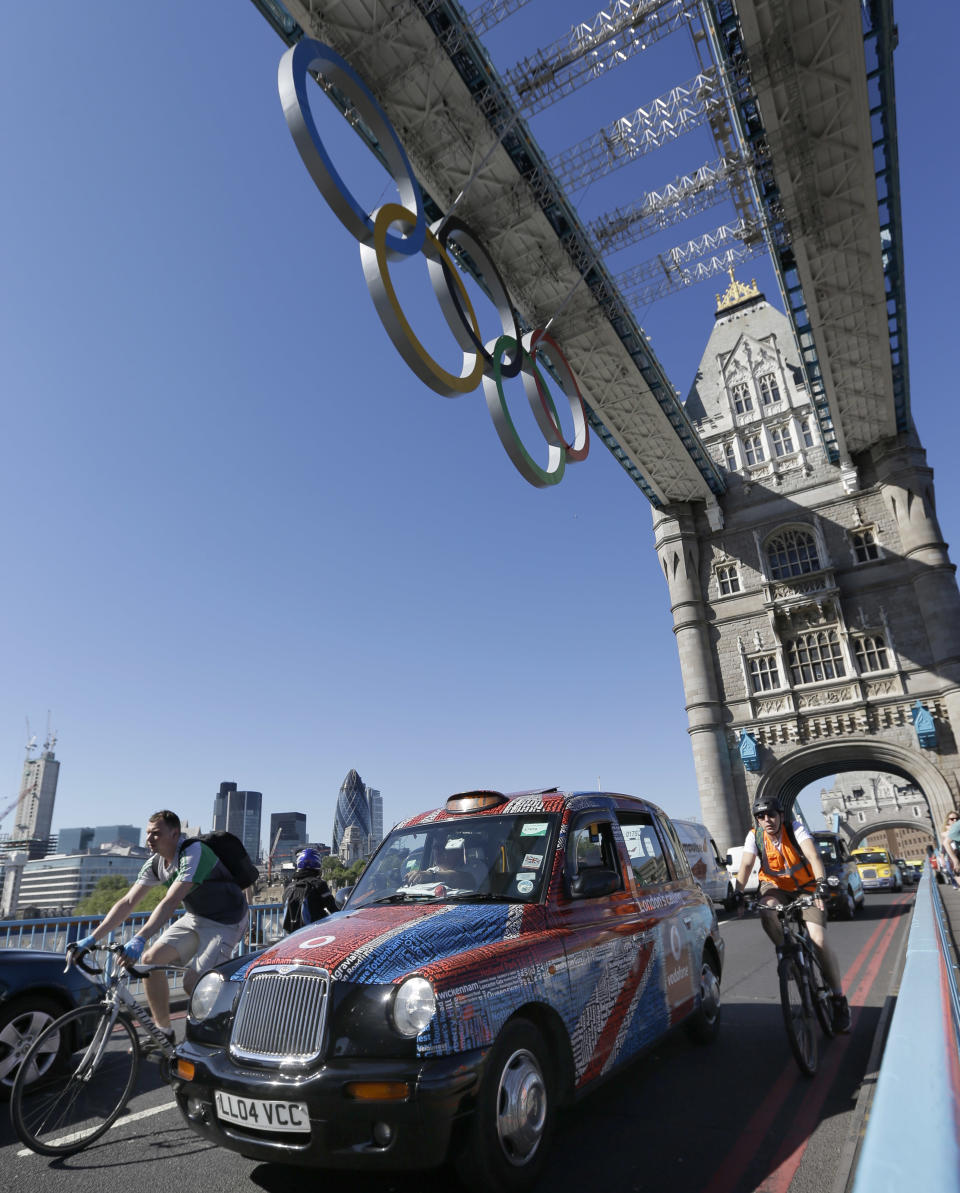
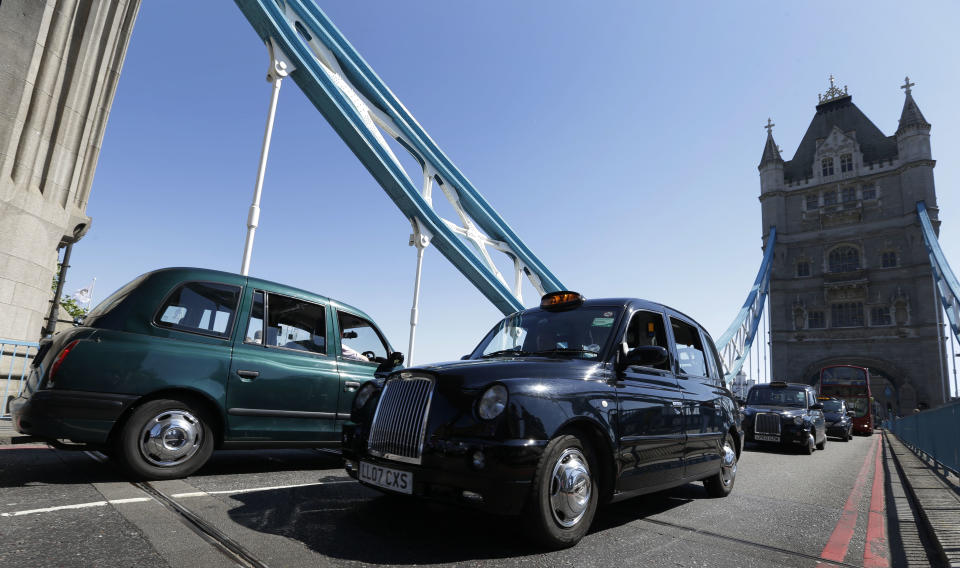
In London, some of the loudest opposition to the Olympic VIP lanes has come from the city's cabbies, who have staged two recent demonstrations that brought central London traffic to a standstill. They say being banned from Olympic lanes jeopardizes their business by creating much longer — and costlier — cab rides for customers.
"We're not going to be able to drop passengers where they want to go," said Lee Osborne of the United Cabbies Group, which protested with about 50 cabs at Tower Bridge on Tuesday. "Traffic in London is pretty bad as it is, and now passengers are going to suffer with the meter just ticking away."
But cabbies called off a planned protest Wednesday, saying in a statement that "we don't want to make a bad situation worse."
There was good news for London-bound travelers, however, when a union called off a pre-Olympics strike by immigration staff at London's Heathrow Airport. The 24-hour-long walkout had been planned for Thursday, the day before the games' opening ceremony — potentially snarling incoming traffic on one of the busiest days at Europe's busiest airport.
London's Tube network is the most popular way to get across town, but it groans with age — its first line, the Metropolitan, opened in 1863. Today, that line still runs alongside more than a dozen others in a half-modernized system that handles up to 4 million trips a day.
London's entire transit network handles an average of 12 million trips a day — and officials are expecting up to 3 million extra journeys each day during the Olympics.
In all, the British government has injected 6.5 billion pounds ($10 billion) to upgrade the transport network for the games. Whether that is enough is still an open question.
"It can't even cope in normal times, all it takes is one problem and the whole system gets paralyzed," said Tony Shelton, an accountant who was riding the Northern line. His journey was only slightly delayed but he said: "I'll probably avoid coming into town."
___
Associated Press Writers Jill Lawless, Gregory Katz, and Raphael Satter contributed to this report.
