Third parties to Obama, Romney: Leave us alone
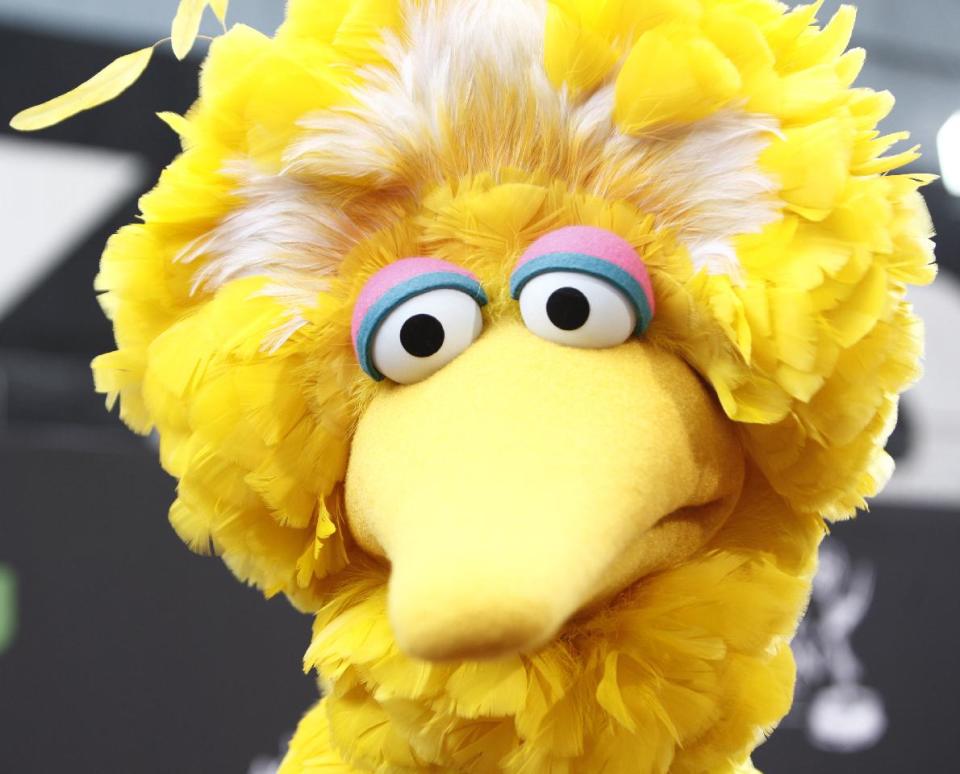
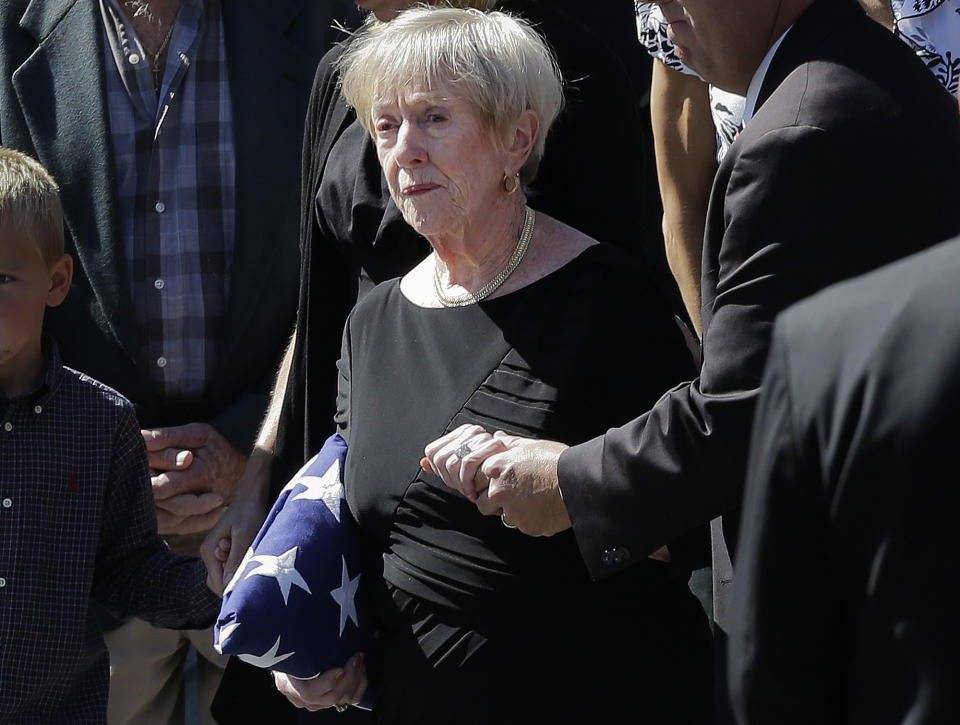
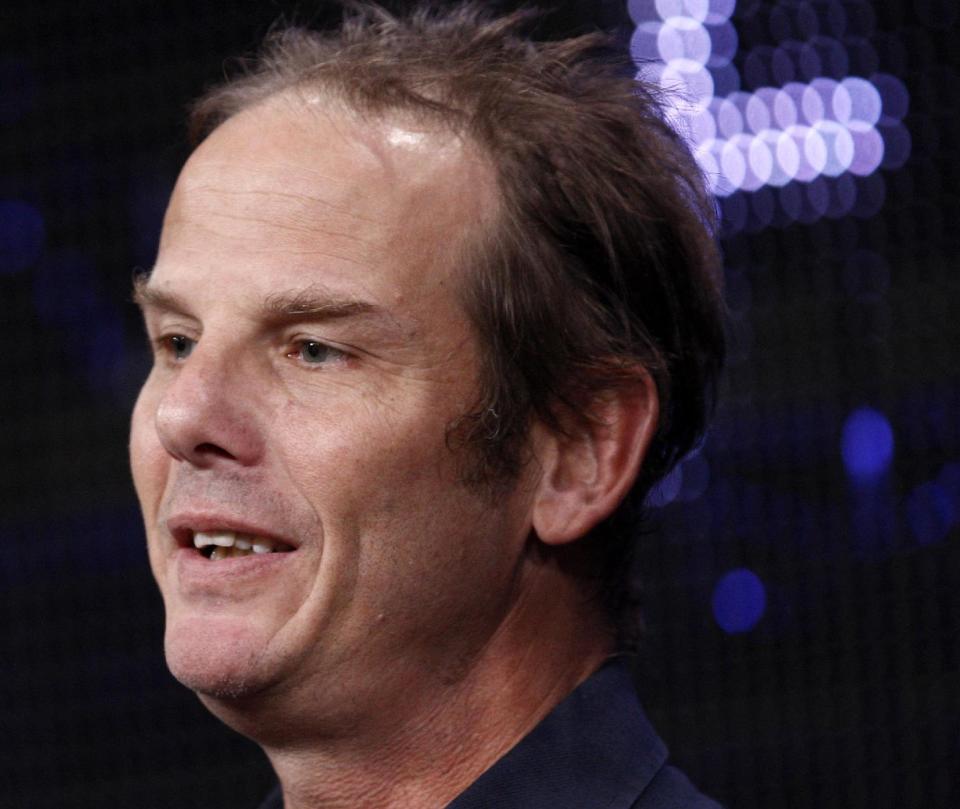
WASHINGTON (AP) — What do a Navy mom, Big Bird and AARP have in common? They want President Barack Obama and Republican Mitt Romney to leave them alone.
Both candidates are drawing on personal stories and pop culture references in campaign ads, daily speeches and debate zingers as each tries to cast himself as an "everyman" and broaden his appeal in the presidential race's closing weeks.
But they're encountering resistance at seemingly every turn by a broad collection of people and entities they reference. This year's complaints have gone beyond the usual griping by musical groups whose songs candidates use at rallies, sometimes without permission from the artists.
Aside from causing a public stink, legal experts say there's not much anyone can do to stop candidates from invoking their stories or their names.
"Being in the midst of any presidential debate is not a place where we should be," Paul Kerger, president of PBS, which airs "Sesame Street," said in an interview. "With the enormous problems facing our country, the fact we're in this continues to be surprising to me."
A fictional chicken became the unlikeliest character in the presidential race this month when Romney suggested, during the first presidential debate, cutting off federal subsidies for Big Bird. The network chastised Romney the following day for making it a political target.
But when Big Bird showed up days later in an Obama ad mocking Romney, it was the president who drew criticism. Sesame Workshop, the show's producer, called for the ad to be pulled.
Obama's ads also have caused a stir at AARP, a lobbying group for seniors, whose logo appears in commercials promoting Obama's health care law. The organization backed those reforms and has criticized Romney's Medicare proposal, but twice has made it a point to say it's not endorsing anyone in the race.
Romney, meanwhile, has drawn the ire of musical groups Twisted Sister and Silversun Pickups for using their songs to fire up crowds at campaign rallies.
Peter Berg, who developed the TV show "Friday Night Lights," bristled last week when Romney adorned his Facebook page and campaign speeches with a twist on the show's inspirational slogan: "Clear eyes, full hearts, can't lose!" As of Wednesday, Romney's Facebook page still displayed the slogan prominently.
Days earlier, Romney agreed to stop telling the story of a Christmas encounter with Glen Doherty, a former Navy SEAL killed in the attacks in Benghazi, Libya, after his mother accused Romney of making her son's death part of his political agenda. Romney's aides said he was inspired by Doherty's memory but would respect the mother's wishes.
The angst extends to colleges.
For years, Virginia Tech has implored both parties to stop using their trademarked mascot in Senate, gubernatorial and presidential elections — and this year is no different. The school claims the Republican Party of Virginia has distributed "Hokies for Romney-Ryan" bumper stickers and in September wrote to both state parties reminding them that use of "Hokies" is off-limits.
Journalists, too, have recoiled at seeing themselves in campaign commercials.
A Romney spot in January, during the GOP primary season, used historical footage of former NBC anchor Tom Brokaw reporting on then-House Speaker Newt Gingrich's ethics problems. Brokaw and NBC demanded that the spot be taken down.
"I am extremely uncomfortable with the extended use of my personal image in this political ad," Brokaw said in a statement at the time, adding that he didn't want his role as a journalist compromised for political gain.
Ten months later, Obama's team drew NBC's ire over an ad featuring a clip of Andrea Mitchell. The NBC anchor took to the airwaves to rap Obama's campaign for using the footage without her permission.
In both cases, the campaigns said they would review the situation and, sooner or later, the issues, like other fleeting campaign hiccups, faded away.
So what can be done when a celebrity or anyone else discovers they're unwittingly at the center of a political campaign?
Not much, say intellectual property experts, unless the candidate explicitly claims a false endorsement.
Free-speech protections enshrined in the Constitution regard political speech as paramount and make it tough to seek legal recourse. Public figures like celebrities and TV anchors lose their expectation of privacy, and with it, their ability to control most of what others say about them.
"Here's the great thing about our society: They have the right to complain," said Carole Handler, who teaches entertainment and copyright law at University of Southern California Law School. "Unless it's really, really horrible, the best remedy is more speech."
Often times, a public gripe is enough to do the trick. After all, no candidate wants a protracted scuffle with a beloved celebrity or well-respected group.
That approach worked for singer Sam Moore, who, in 2008, asked Obama to stop using "Soul Man" at rallies. Obama's campaign acquiesced.
But the Republican opponent that year, Arizona Sen. John McCain, was less compliant when John Mellencamp and the Foo Fighters asked his campaign to stop using their songs. McCain had licensed the songs' use from music clearinghouses, so the artists couldn't sue. But another artist, Jackson Browne, filed a lawsuit against McCain that eventually led to an undisclosed settlement — and a public apology from McCain.
Bruce Springsteen, who is campaigning for Obama this week in Ohio and Iowa, famously lashed out at President Ronald Reagan for using the liberal rocker's "Born in the U.S.A." in his 1984 re-election campaign. Two decades earlier, Broadway producer David Merrick is said to have threatened to sue GOP presidential nominee Barry Goldwater after the title song from "Hello Dolly" was redubbed "Hello Barry."
Merrick had no qualms, though, when the show's star, Carol Channing, belted out the similarly fashioned "Hello Lyndon" at the 1964 Democratic National Convention when President Lyndon B. Johnson was nominated for a full term.
___
Reach Josh Lederman on Twitter at http://twitter.com/joshledermanAP
